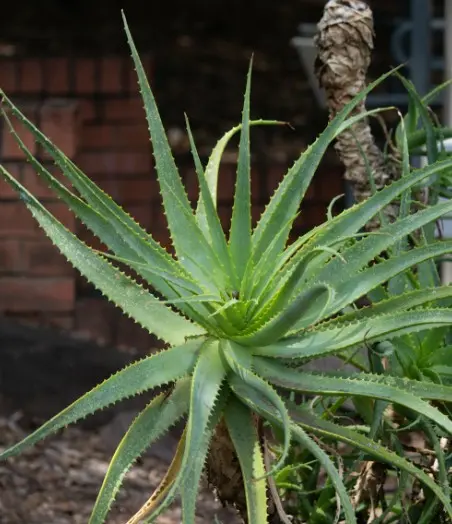
Lidah Buaya
Aloe Vera
Aloe vera
Aloe Vera is famous for its medicinal gel and striking appearance. It's a succulent with thick, fleshy leaves containing healing properties.
Care Guide
Light Requirements
Bright light with some gentle direct sun is best. Aloe needs good light to stay compact and build strong, gel-filled leaves.
Temperature
18°C - 35°C is fine. Heat is not the problem for Aloe; trapped moisture usually is. Aloe Vera performs best in stable warmth; sudden swings can interrupt active growth and delay flowering or fruit set.
Humidity
Low humidity is ideal because this is a dry-climate succulent. In humid weather, airflow becomes even more important.
🌧️ Good news for Malaysia: Your home's natural humidity is already helping. Focus on airflow instead to prevent fungal issues.
Soil Preference
Use fast-draining succulent soil with coarse material mixed in. Aloe roots need to dry out between drinks, not sit in a damp sponge.
Watering & Fertilizer
Water deeply only when the soil is fully dry. The leaves store water, so frequent watering is unnecessary and usually leads to rot from the roots upward.
💭 Still unsure? Stick your finger 2 cm into the soil. If it feels dry, water. If it's moist, wait. You'll get it right.
General Care
A terracotta pot helps excess moisture leave faster, which suits Aloe well. Think “dry and bright,” not “rich and constantly wet.”
Propagation
The easiest way is to separate pups at the base. These baby plants are already cloning the parent and usually establish quickly once given their own pot.
Pet Friendly?
Contains saponins and anthraquinones; toxic to cats and dogs if chewed.
Medicinal Benefits
Gel used for burns and skin hydration. High in antioxidants.
Other Uses
Cosmetics, food supplements (when processed correctly).
Pests & Diseases
Usually low-pest, but root rot is common when people water it like a leafy tropical plant instead of a succulent.
Smart Tanam Tip
"Soft, collapsing leaves often mean too much water, not too little. With Aloe, mushiness is a bigger warning sign than dryness."
Common Mistakes in Malaysia
- Overwatering due to high humidity: Malaysia's moisture-rich air means soil dries slower. Most plant deaths come from root rot, not underwatering.
- Poor airflow: High humidity + still air = fungal issues. Move plants where air circulates naturally (near windows, not in corners).
- Ignoring the monsoon season: During heavy rain, reduce watering. Your plant is already getting moisture from the environment.
- Direct afternoon sun: Malaysian midday sun is intense. Even sun-loving plants can scorch. Morning sun is best.
Tips for Malaysia's Climate
- Use well-draining soil: Add perlite or cocopeat. Heavy soil + humidity = rot. Your soil should dry out between waterings.
- Water in the morning: Wet foliage at night is a recipe for fungal problems in humid climates. Early morning watering lets leaves dry quickly.
- Repot in spring: Before the dry season, refresh soil to prevent salt buildup and improve drainage.
- Watch for pests during monsoon: Wet season brings aphids, spider mites, and scale insects. Check undersides of leaves weekly.
- Increase airflow: Place a small fan nearby if the plant is indoors. Circulating air prevents humidity-related issues.
© 2026 Tanam Je. All rights reserved.
Disclaimer: Tanam Je is an educational resource. Plant care outcomes vary by environment, weather, and handling. Tanam Je is not liable for plant loss or related damages.