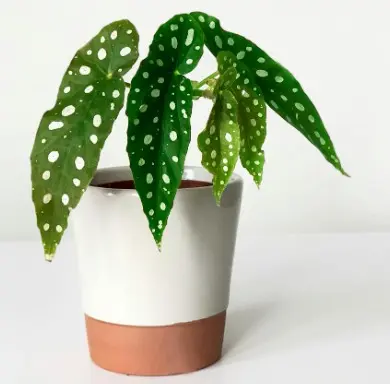
Begonia
Begonia
Begonia spp.
A diverse group featuring some of the most stunning foliage patterns in the world. They can be temperamental in Malaysia due to the combination of high heat and humidity.
Care Guide
Light Requirements
Bright filtered light only. NO direct Malaysian afternoon sun. Begonia leaves are very thin-walled with almost no protective waxy cuticle layer. Direct sun will literally cook the leaf cells within hours, turning the leaf translucent and then to mush.
Temperature
18°C - 26°C. Begonias prefer the cooler end of Malaysian temperatures. An air-conditioned room at 24°C suits them far better than a hot balcony above 30°C. Heat stress makes them drop leaves and become susceptible to fungal infections.
Humidity
60% - 80%, but moving air is essential alongside high humidity. Still, humid air creates the perfect conditions for Botrytis gray mold and powdery mildew. A small USB fan running a few hours daily provides air circulation without drying the air too much.
🌧️ Good news for Malaysia: Your home's natural humidity is already helping. Focus on airflow instead to prevent fungal issues.
Soil Preference
Loose, very well-draining potting mix. Cocopeat + perlite. Begonia roots are fine and delicate; heavy soil compacts around them and holds water that suffocates roots, causing rot within days.
Watering & Fertilizer
Water at the base ONLY. Wetting Begonia leaves almost guarantees fungal spots. The wet leaf surface becomes the perfect landing pad for Botrytis spores. Let the top 2cm of soil dry between waterings. Fertilise weekly at HALF the recommended dose. Full-strength fertiliser burns the fine root system.
💭 Still unsure? Stick your finger 2 cm into the soil. If it feels dry, water. If it's moist, wait. You'll get it right.
General Care
Remove spent flowers and any mushy, brown, or yellowing leaves immediately. They become concentrated sources of Botrytis mold spores that spread quickly to healthy nearby leaves. Good air circulation is as critical as humidity in preventing disease.
Propagation
Rex Begonias and other thick-leafed types can grow from a single leaf cut into sections across the main veins. Lay sections face-up on moist soil and new plantlets emerge from each cut vein. This works because cells near the veins can revert to a "stem cell" state (de-differentiation) and form entirely new plants from a single piece of tissue.
Pet Friendly?
Toxic to pets. Contains soluble oxalates and other irritants. The underground tubers (swollen stem bases) contain the highest concentration of toxins. Symptoms include immediate vomiting, excessive drooling, and difficulty swallowing.
Medicinal Benefits
Flowers of some edible Begonia species have a lemony taste and are occasionally used in salads. NOT recommended without expert identification, as many Begonia species are toxic.
Other Uses
Highly prized by collectors for their metallic, iridescent leaf surfaces. The shimmer is caused by specialised air pockets just beneath the leaf surface that reflect and diffract light like a prism.
Pests & Diseases
Powdery mildew (white powdery fungal coating on leaf surfaces) is the #1 disease in warm, humid Malaysian conditions. It spreads via airborne spores and is very difficult to eliminate once established. Prevention through good air circulation and avoiding overhead watering is far easier than cure.
Smart Tanam Tip
"If a Begonia suddenly drops most of its leaves after being moved or repotted, do not panic. This is environmental shock. The plant sheds leaves to reduce water demand while it adjusts. Keep the soil lightly moist in bright indirect light, and fresh new growth will appear within 2-3 weeks."
Common Mistakes in Malaysia
- Overwatering due to high humidity: Malaysia's moisture-rich air means soil dries slower. Most plant deaths come from root rot, not underwatering.
- Poor airflow: High humidity + still air = fungal issues. Move plants where air circulates naturally (near windows, not in corners).
- Ignoring the monsoon season: During heavy rain, reduce watering. Your plant is already getting moisture from the environment.
- Direct afternoon sun: Malaysian midday sun is intense. Even sun-loving plants can scorch. Morning sun is best.
Tips for Malaysia's Climate
- Use well-draining soil: Add perlite or cocopeat. Heavy soil + humidity = rot. Your soil should dry out between waterings.
- Water in the morning: Wet foliage at night is a recipe for fungal problems in humid climates. Early morning watering lets leaves dry quickly.
- Repot in spring: Before the dry season, refresh soil to prevent salt buildup and improve drainage.
- Watch for pests during monsoon: Wet season brings aphids, spider mites, and scale insects. Check undersides of leaves weekly.
- Increase airflow: Place a small fan nearby if the plant is indoors. Circulating air prevents humidity-related issues.
© 2026 Tanam Je. All rights reserved.
Disclaimer: Tanam Je is an educational resource. Plant care outcomes vary by environment, weather, and handling. Tanam Je is not liable for plant loss or related damages.