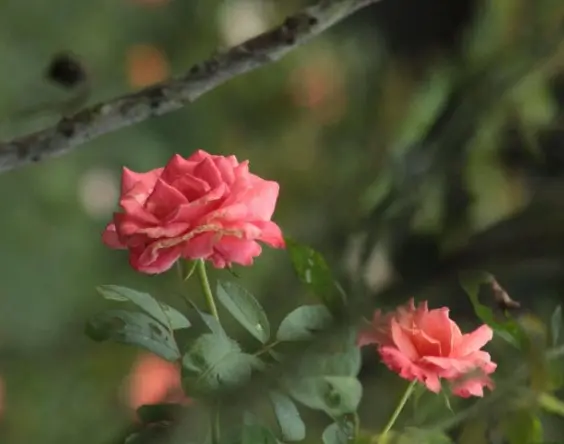
Bunga Ros Kampung
Rose
Rosa spp.
Bunga Ros Kampung (Rosa spp.), also known as Bunga Mawar or Bunga Ayer Mawar, is the rose of the Malaysian kampung garden. a timeless flowering shrub from family Rosaceae cherished for its layered, fragrant blooms in red, pink, white, and yellow. While roses have a reputation for being demanding, the heat-adapted varieties grown in Malaysian gardens are far more resilient than their temperate counterparts, and with the right care they bloom repeatedly throughout the year.
Care Guide
Light Requirements
Full sun (minimum 6 hours of direct sun daily) is essential for Bunga Ros Kampung to flower well. Roses are sun-hungry plants. photosynthesis in bright light builds the carbohydrates needed to produce multiple layers of petals and fragrance compounds. In Malaysia's strong midday sun, morning full sun with some afternoon dappled shade gives the best combination of vigorous growth and protection from heat stress on petals.
Temperature
20°C - 32°C. Roses grow continuously as perennials in Malaysia's tropical warmth rather than following a seasonal cycle. The biggest challenge is not cold. Malaysia rarely gets cold enough to stress roses. but rather heat stress during prolonged dry spells above 35°C, which can cause bud blast (buds that abort before opening). Mulching the root zone helps buffer soil temperature.
Humidity
60% - 75%. Roses prefer moderate humidity with good airflow. Malaysia's high humidity creates ideal conditions for fungal diseases, particularly black spot (Diplocarpon rosae) and powdery mildew. Space plants at least 60cm apart so air can circulate freely between them, and avoid overhead watering which keeps foliage wet.
🌧️ Good news for Malaysia: Your home's natural humidity is already helping. Focus on airflow instead to prevent fungal issues.
Soil Preference
Deep, fertile, well-draining loamy soil enriched with compost or well-rotted manure. Roses are heavy feeders with deep root systems. The soil must be loose to at least 40cm depth so roots can anchor well and access water and nutrients deep in the profile. pH of 6.0-6.5 (slightly acidic) is ideal. this is the range at which rose roots absorb iron and manganese most efficiently, preventing yellowing leaves.
Watering & Fertilizer
Water deeply at the base 2-3 times per week; avoid wetting the foliage as wet leaves invite black spot. Allow the top 3-5cm of soil to dry before the next watering. roses dislike both drought stress and waterlogged roots. Fertilise every 3-4 weeks with a balanced rose fertiliser or NPK 15-15-15. Increase phosphorus (P) and potassium (K) relative to nitrogen (N) during flowering periods. high N encourages leaves, while P and K drive flower production and stem strength.
💭 Still unsure? Stick your finger 2 cm into the soil. If it feels dry, water. If it's moist, wait. You'll get it right.
General Care
Deadhead spent blooms by cutting just above a 5-leaflet leaf node to trigger the next flush of flowers. Prune lightly after each flowering flush to remove weak stems and shape the plant. In Malaysia, roses can be pruned year-round rather than seasonally. Remove any leaves showing black spot immediately and dispose of them away from the plant. do not compost diseased material, as spores survive and reinfect.
Propagation
Stem cuttings (15-20cm, semi-hardwood) taken from healthy, non-flowering stems. Remove lower leaves, dip the cut end in rooting hormone powder, and plant in moist, well-draining medium (cocopeat + perlite). Keep in bright shade with consistent humidity for 4-6 weeks until rooted. Budding (T-budding onto rootstock) is used commercially for stronger, more vigorous plants and is the method most Malaysian nurseries use.
Pet Friendly?
The thorns are the primary physical hazard. sharp and can cause puncture wounds to paws and noses of curious pets. Rose petals and hips are non-toxic, but the pesticides commonly used on roses can be harmful if ingested. Keep recently-sprayed plants away from pets.
Medicinal Benefits
Rose water (air mawar) distilled from petals is widely used in Malaysian and Malay-Indian cooking and traditional skincare for its mild astringent and anti-inflammatory properties. Rose hips (the fruit of the rose) are very high in Vitamin C and used in herbal teas. Rose petals are used in traditional Malay wedding rituals and mandi bunga (floral baths) for their fragrance and symbolic significance.
Other Uses
Cut flowers for bouquets and weddings. Rose water for cooking (in kuih and drinks like sirap mawar). Petals for mandi bunga (floral baths) in Malay traditional ceremonies. Dried petals used in potpourri and natural perfumery. A popular gift plant across all Malaysian cultures.
Pests & Diseases
Black spot (Diplocarpon rosae) is the most serious disease in Malaysia. circular black spots with yellow halos appear on leaves, which then drop prematurely, weakening the plant. Spray with a copper-based or systemic fungicide every 2 weeks preventively. Aphids cluster on young buds and shoot tips, sucking sap and distorting growth. Thrips damage petals from inside buds, causing brown streaks on open flowers. Spider mites appear in hot, dry conditions. the undersides of leaves develop fine webbing and a dusty, stippled texture.
Smart Tanam Tip
"In Malaysia's humid climate, the single most important thing you can do for roses is ensure airflow. Plant them where they get a breeze, prune to open the center of the bush, and never crowd them. Black spot spreads by water splash. mulching around the base prevents spore-laden soil from splashing up onto leaves during heavy Malaysian rain, dramatically reducing infection rates."
Common Mistakes in Malaysia
- Overwatering due to high humidity: Malaysia's moisture-rich air means soil dries slower. Most plant deaths come from root rot, not underwatering.
- Poor airflow: High humidity + still air = fungal issues. Move plants where air circulates naturally (near windows, not in corners).
- Ignoring the monsoon season: During heavy rain, reduce watering. Your plant is already getting moisture from the environment.
- Direct afternoon sun: Malaysian midday sun is intense. Even sun-loving plants can scorch. Morning sun is best.
Tips for Malaysia's Climate
- Use well-draining soil: Add perlite or cocopeat. Heavy soil + humidity = rot. Your soil should dry out between waterings.
- Water in the morning: Wet foliage at night is a recipe for fungal problems in humid climates. Early morning watering lets leaves dry quickly.
- Repot in spring: Before the dry season, refresh soil to prevent salt buildup and improve drainage.
- Watch for pests during monsoon: Wet season brings aphids, spider mites, and scale insects. Check undersides of leaves weekly.
- Increase airflow: Place a small fan nearby if the plant is indoors. Circulating air prevents humidity-related issues.
© 2026 Tanam Je. All rights reserved.
Disclaimer: Tanam Je is an educational resource. Plant care outcomes vary by environment, weather, and handling. Tanam Je is not liable for plant loss or related damages.