Cestrum
Night Blooming Jasmine (not true jasmine)
Cestrum nocturnum
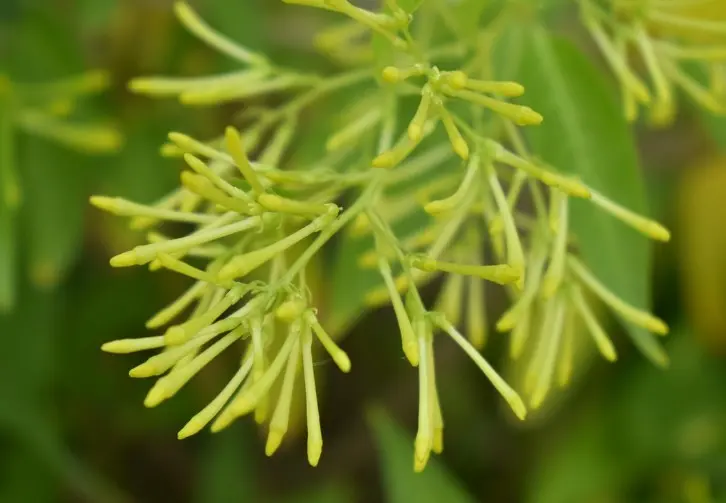
Cestrum nocturnum (Night Blooming Jasmine, or Kemuning Malam) is a tropical shrub that releases an intensely sweet fragrance after dark, attracting night pollinators. It is not a true jasmine and belongs to the Solanaceae family, not Oleaceae. Clusters of small tubular flowers bloom repeatedly throughout the year in Malaysia's warm, humid climate.
Care Guide
Light Requirements
Full sun to partial shade. In full sun, Cestrum produces more flower clusters and stronger nocturnal fragrance. Sunlight energises the production of volatile compounds responsible for the scent. In deeper shade, flowering decreases but the plant remains healthy.
Temperature
20°C - 32°C. Well-suited to Malaysia climate. Tolerates heat well once established. Avoid cold drafts below 10°C which can cause leaf drop.
Humidity
60% - 80%. Adapts well to Malaysia typical outdoor humidity. Ensure good soil drainage. The air humidity is fine, but waterlogged roots are not.
🌧️ Good news for Malaysia: Your home's natural humidity is already helping. Focus on airflow instead to prevent fungal issues.
Soil Preference
Well-draining, fertile soil slightly acidic to neutral. Good drainage is more important than soil richness for this plant. It is more drought-tolerant than flood-tolerant once established.
Watering & Fertilizer
Keep soil slightly moist but allow the surface to dry briefly between waterings. Cestrum is fairly drought-tolerant once established. Fertilise monthly with a balanced fertiliser to maintain vigorous growth and prolific flowering.
💭 Still unsure? Stick your finger 2 cm into the soil. If it feels dry, water. If it's moist, wait. You'll get it right.
General Care
Prune regularly to control size. Cestrum can grow aggressively to 3-4 metres if left unpruned. Pruning also encourages new growth, which carries the most flowers. Wear gloves when pruning. All plant parts are toxic on contact with mucous membranes.
Propagation
Semi-hardwood stem cuttings root readily in 2-3 weeks in Malaysia warmth. Take cuttings in the morning when the plant is well-hydrated and place in moist cocopeat.
Pet Friendly?
Toxic to pets and humans, especially the berries. Contains alkaloids including solanine and solasonine. Can cause severe gastrointestinal and neurological symptoms; seek urgent medical or veterinary care if ingested.
Medicinal Benefits
Not recommended for any medicinal use due to high toxicity. Despite some traditional uses, the risk of poisoning makes home use extremely dangerous.
Other Uses
Prized as a night-fragrant garden plant for outdoor entertainment areas, pathways, and garden borders. The intense nocturnal fragrance (released after sunset) is produced by the plant to attract night-flying moths as pollinators. The scent compounds include volatile indoles and methyl anthranilate.
Pests & Diseases
Whiteflies congregate on leaf undersides in large numbers, sucking sap and excreting sticky honeydew that encourages sooty mold. Aphids target new shoot tips. Yellow sticky traps catch whiteflies; neem oil spray treats both.
Smart Tanam Tip
"Plant Cestrum at least 5 metres away from bedroom windows. The night fragrance can feel overpowering indoors and may trigger headache or nausea in sensitive people. The primary safety risk is ingestion of toxic plant parts, not normal outdoor scent exposure."
Common Mistakes in Malaysia
- Overwatering due to high humidity: Malaysia's moisture-rich air means soil dries slower. Most plant deaths come from root rot, not underwatering.
- Poor airflow: High humidity + still air = fungal issues. Move plants where air circulates naturally (near windows, not in corners).
- Ignoring the monsoon season: During heavy rain, reduce watering. Your plant is already getting moisture from the environment.
- Direct afternoon sun: Malaysian midday sun is intense. Even sun-loving plants can scorch. Morning sun is best.
Tips for Malaysia's Climate
- Use well-draining soil: Add perlite or cocopeat. Heavy soil + humidity = rot. Your soil should dry out between waterings.
- Water in the morning: Wet foliage at night is a recipe for fungal problems in humid climates. Early morning watering lets leaves dry quickly.
- Repot in spring: Before the dry season, refresh soil to prevent salt buildup and improve drainage.
- Watch for pests during monsoon: Wet season brings aphids, spider mites, and scale insects. Check undersides of leaves weekly.
- Increase airflow: Place a small fan nearby if the plant is indoors. Circulating air prevents humidity-related issues.
© 2026 Tanam Je. All rights reserved.
Disclaimer: Tanam Je is an educational resource. Plant care outcomes vary by environment, weather, and handling. Tanam Je is not liable for plant loss or related damages.