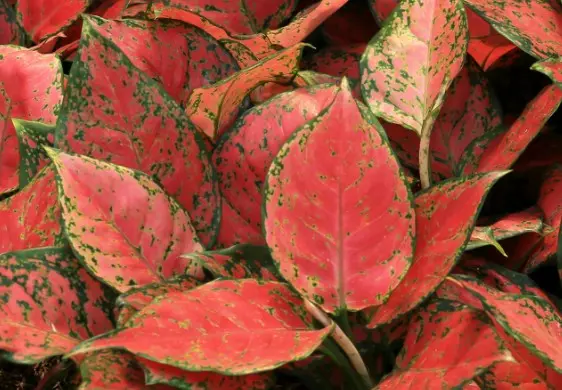
Chinese Evergreen
Chinese Evergreen
Aglaonema spp.
Chinese Evergreen (Aglaonema) is one of the most ornamental and resilient indoor plants, with striking patterned leaves in green, silver, red, and pink. It tolerates low light, irregular watering, and indoor air conditioning, making it a top choice for Malaysian offices and homes.
Care Guide
Light Requirements
Low to bright indirect light. Chinese Evergreen is one of the few houseplants that actually tolerates low light well. It has adapted to the dim understory of tropical rainforests. However, variegated types (with white, pink, or yellow markings) need MORE light than all-green types because the colored portions cannot photosynthesize. In very low light, variegation fades and the plant reverts to mostly green.
Temperature
18°C - 27°C. Thrives in typical Malaysian indoor temperatures. Avoid cold below 15°C and hot drafts above 30°C.
Humidity
50% - 70%. Tolerates average indoor humidity. The plant is very forgiving of dry air compared to humidity-demanding plants like Calathea.
🌧️ Good news for Malaysia: Your home's natural humidity is already helping. Focus on airflow instead to prevent fungal issues.
Soil Preference
Loose, well-draining potting mix (cocopeat + perlite). Chinese Evergreen is not particularly fussy about soil type, unlike some other aroids.
Watering & Fertilizer
Water when the top 2-3cm of soil is dry. Chinese Evergreen is drought-tolerant once established. It can survive brief dry spells. However, it performs better with consistent moisture. Fertilise monthly at half-strength or every 2 weeks at quarter-strength.
💭 Still unsure? Stick your finger 2 cm into the soil. If it feels dry, water. If it's moist, wait. You'll get it right.
General Care
Wipe leaves with a damp cloth every 4-6 weeks to remove dust and improve photosynthesis. Prune off brown-tipped leaves or yellowing sections by cutting at a 45-degree angle just above a node. Pinch the growing tips of young plants to encourage bushy rather than leggy growth.
Propagation
Division at repotting time is the standard method. Cut the stem just below a node (where an aerial root or leaf joins), and the section will root in water or moist cocopeat within 2-3 weeks.
Pet Friendly?
Contains calcium oxalate crystals. If chewed, causes mouth pain, swelling, and drooling in pets and children. The degree of toxicity varies by species variety. Some are more irritating than others.
Medicinal Benefits
No proven medicinal benefits. The large leaves do remove some indoor air pollutants according to the NASA Clean Air Study, though the real-world impact is minimal.
Other Uses
One of the best low-light tolerant houseplants for offices, dim corners, and spaces far from windows. Its attractive variegated foliage comes in dozens of cultivar patterns.
Pests & Diseases
Spider mites thrive in hot, dry air. Check undersides of leaves for webbing and tiny moving dots. Root rot from overwatering is common in tropical climates with high ambient humidity. Ensure good soil drainage.
Smart Tanam Tip
"Brown leaf tips indicate either low humidity, over-concentration of fertiliser salts, or poor water quality (fluoride or chlorine in tap water). Try switching to filtered or rainwater, reducing fertiliser frequency, and misting occasionally. The plant will recover slowly over weeks as new leaves emerge."
Common Mistakes in Malaysia
- Overwatering due to high humidity: Malaysia's moisture-rich air means soil dries slower. Most plant deaths come from root rot, not underwatering.
- Poor airflow: High humidity + still air = fungal issues. Move plants where air circulates naturally (near windows, not in corners).
- Ignoring the monsoon season: During heavy rain, reduce watering. Your plant is already getting moisture from the environment.
- Direct afternoon sun: Malaysian midday sun is intense. Even sun-loving plants can scorch. Morning sun is best.
Tips for Malaysia's Climate
- Use well-draining soil: Add perlite or cocopeat. Heavy soil + humidity = rot. Your soil should dry out between waterings.
- Water in the morning: Wet foliage at night is a recipe for fungal problems in humid climates. Early morning watering lets leaves dry quickly.
- Repot in spring: Before the dry season, refresh soil to prevent salt buildup and improve drainage.
- Watch for pests during monsoon: Wet season brings aphids, spider mites, and scale insects. Check undersides of leaves weekly.
- Increase airflow: Place a small fan nearby if the plant is indoors. Circulating air prevents humidity-related issues.
© 2026 Tanam Je. All rights reserved.
Disclaimer: Tanam Je is an educational resource. Plant care outcomes vary by environment, weather, and handling. Tanam Je is not liable for plant loss or related damages.