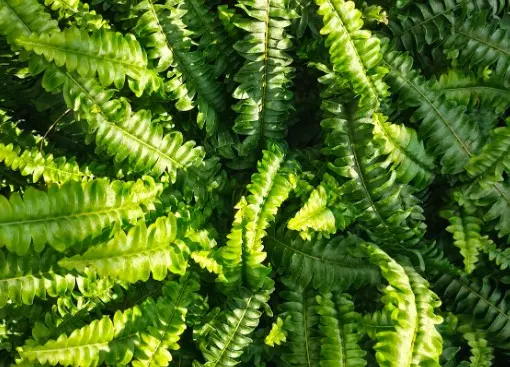
Boston Fern
Boston Fern
Nephrolepis exaltata
Boston Fern (Nephrolepis exaltata) is a lush fern with long, arching fronds of bright green leaflets. It thrives in Malaysia's humidity and is a classic choice for hanging baskets on shaded verandahs, in bathrooms, and in indoor spaces with good airflow and indirect light.
Care Guide
Light Requirements
Bright indirect light. No direct sun. Boston Fern evolved on the forest floor and in tropical understories. Direct sunlight scorches the delicate pinnae (the individual leaflet segments) within hours, turning them yellow and then brown from the tips inward. A north or east-facing window is ideal indoors.
Temperature
18°C - 24°C. This fern prefers cooler temperatures than most Malaysian indoor plants. An air-conditioned room at 22-24°C suits it well. Above 28°C, fronds yellow and growth slows significantly. Avoid hot spots near glass windows that trap heat.
Humidity
60% - 80% (high humidity preferred). Boston Fern is one of the most humidity-sensitive houseplants. In dry air, the pinnae (leaf segments) desiccate from the tips inward, turning brown and crispy. This is the plant losing water faster than the roots can supply it. A bathroom, kitchen, or rooms with a humidifier are ideal.
🌧️ Good news for Malaysia: Your home's natural humidity is already helping. Focus on airflow instead to prevent fungal issues.
Soil Preference
Loose, moisture-retentive but well-draining potting mix. Cocopeat + perlite holds moisture well without becoming waterlogged. Unlike succulents, Boston Fern has no water storage tissue and wilts quickly when the soil dries out completely.
Watering & Fertilizer
Keep soil evenly and consistently moist. Do not allow it to dry out completely between waterings. Check daily and water when the surface feels barely dry. Fertilise at half-strength monthly during growing season. Do NOT over-fertilise. Salt buildup from excess fertiliser causes brown frond tips identical to those from low humidity.
💭 Still unsure? Stick your finger 2 cm into the soil. If it feels dry, water. If it's moist, wait. You'll get it right.
General Care
Trim brown or yellowing fronds at the base with clean scissors. Brown fronds will not recover. Regular trimming directs the plant energy into producing fresh new fronds rather than maintaining dying ones. Ensure good airflow around the fronds to prevent fungal issues in Malaysia high humidity.
Propagation
Divide root clumps at repotting time. Each division should have several healthy fronds and intact roots. Boston Fern also sends out runners (stolons) with small plantlets at the tips that can be pinned to moist soil and separated once they have rooted.
Pet Friendly?
One of the generally pet-safe houseplants for cats and dogs. A low-risk choice for pet-owning households.
Medicinal Benefits
No proven medicinal benefits for the plant itself. Boston Fern is one of the top air-purifying plants in the NASA Clean Air Study, removing formaldehyde and xylene from indoor air. Though you would need many plants in a sealed room for a measurable real-world impact.
Other Uses
One of the most popular hanging basket plants for verandas, bathrooms, and offices worldwide. The cascading, arching fronds create a lush, tropical aesthetic.
Pests & Diseases
Scale insects appear as hard brown bumps on frond stems. They pierce stems and suck phloem sap. Spider mites thrive in hot, dry conditions and create fine webbing on frond undersides. Both respond well to neem oil spray. Preventing dry air is the best prevention for both.
Smart Tanam Tip
"Brown frond tips in Boston Fern almost always indicate dry air or over-fertilisation. Not disease. Try increasing humidity first (pebble tray or humidifier) and reducing fertiliser frequency. If fronds are turning yellow and mushy from the base, that indicates root rot from overwatering. A very different problem requiring a very different solution."
Common Mistakes in Malaysia
- Overwatering due to high humidity: Malaysia's moisture-rich air means soil dries slower. Most plant deaths come from root rot, not underwatering.
- Poor airflow: High humidity + still air = fungal issues. Move plants where air circulates naturally (near windows, not in corners).
- Ignoring the monsoon season: During heavy rain, reduce watering. Your plant is already getting moisture from the environment.
- Direct afternoon sun: Malaysian midday sun is intense. Even sun-loving plants can scorch. Morning sun is best.
Tips for Malaysia's Climate
- Use well-draining soil: Add perlite or cocopeat. Heavy soil + humidity = rot. Your soil should dry out between waterings.
- Water in the morning: Wet foliage at night is a recipe for fungal problems in humid climates. Early morning watering lets leaves dry quickly.
- Repot in spring: Before the dry season, refresh soil to prevent salt buildup and improve drainage.
- Watch for pests during monsoon: Wet season brings aphids, spider mites, and scale insects. Check undersides of leaves weekly.
- Increase airflow: Place a small fan nearby if the plant is indoors. Circulating air prevents humidity-related issues.
© 2026 Tanam Je. All rights reserved.
Disclaimer: Tanam Je is an educational resource. Plant care outcomes vary by environment, weather, and handling. Tanam Je is not liable for plant loss or related damages.