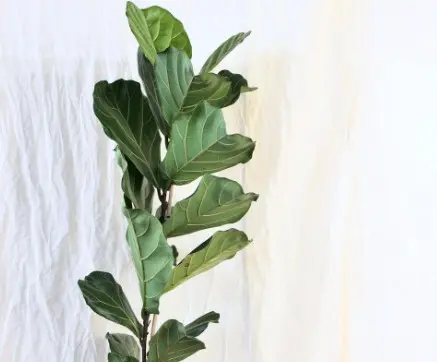
Fiddle Leaf Fig
Fiddle Leaf Fig
Ficus lyrata
Fiddle-leaf Fig (Ficus lyrata) is a dramatic statement indoor plant prized for its large, glossy, violin-shaped leaves on a tall, slender trunk. Native to West African rainforests, it thrives in Malaysia's warm humidity but is sensitive to sudden environment changes, drafts, and overwatering.
Care Guide
Light Requirements
Bright indirect light with some morning sun (filtered through a sheer curtain). Fiddle Leaf Fig needs strong light to support the large leaf surface area. A full leaf can photosynthesize and feed the entire branch system, so light is critically important. Direct afternoon sun can scorch the leaves. Insufficient light causes the leaves to yellow and drop.
Temperature
18°C - 24°C. Prefers consistent temperatures. Fiddle Leaf Fig is sensitive to sudden temperature swings. Moving it between a cool room and a warm area can trigger leaf drop as a stress response. Avoid placing near cold AC vents or drafty windows.
Humidity
50% - 70%. Fiddle Leaf Fig tolerates average indoor humidity reasonably well. In very dry air, spider mites may increase. Occasional misting or placing the pot on a humid pebble tray helps.
🌧️ Good news for Malaysia: Your home's natural humidity is already helping. Focus on airflow instead to prevent fungal issues.
Soil Preference
Loose, well-draining potting mix (cocopeat + perlite + some orchid bark for air pockets). Fiddle Leaf Fig roots are susceptible to rot in constantly wet soil. They need oxygen between waterings.
Watering & Fertilizer
Water when the top 3-5cm of soil is dry to the touch. Overwatering is the #1 killer of Fiddle Leaf Fig in Malaysian homes with high humidity and warm temperatures. Allow some drying between waterings. Fertilise monthly during the growing season only.
💭 Still unsure? Stick your finger 2 cm into the soil. If it feels dry, water. If it's moist, wait. You'll get it right.
General Care
Rotate the plant 90 degrees every 2-3 weeks so all sides receive even light and growth is symmetrical rather than lopsided. Clean leaves monthly with a soft, damp cloth. Dust reduces photosynthesis. Never use commercial leaf shine products; they clog the stomata.
Propagation
Stem cuttings (10-15cm) root in 4-6 weeks in warm, humid conditions. Air layering on mature plants produces a rooted section faster than cuttings. Success rates improve significantly in Malaysia warmth.
Pet Friendly?
Toxic if ingested. Contains ficin, a protease enzyme. Sap can irritate skin and cause allergic reactions in sensitive individuals. Keep completely away from pets and children.
Medicinal Benefits
No proven medicinal benefits. The fig sap was historically used externally in folk medicine to remove warts, though modern evidence is lacking.
Other Uses
One of the most popular statement houseplants for interior landscaping and luxury homes. Its large, sculptural leaves make it architecturally striking in modern decor.
Pests & Diseases
Scale insects cluster on stems and leaf undersides, sucking phloem sap. Mealybugs appear as white cottony clusters in leaf axils. Both are controlled with neem oil spray, but prevention (good air circulation) is better than cure.
Smart Tanam Tip
"Fiddle Leaf Fig is famous for dropping leaves when stressed. Causes: overwatering, underwatering, sudden temperature change, moving the plant (environmental shock), or incorrect light. Identify the stressor and fix it; the plant will gradually recover and produce new growth once conditions stabilize."
Common Mistakes in Malaysia
- Overwatering due to high humidity: Malaysia's moisture-rich air means soil dries slower. Most plant deaths come from root rot, not underwatering.
- Poor airflow: High humidity + still air = fungal issues. Move plants where air circulates naturally (near windows, not in corners).
- Ignoring the monsoon season: During heavy rain, reduce watering. Your plant is already getting moisture from the environment.
- Direct afternoon sun: Malaysian midday sun is intense. Even sun-loving plants can scorch. Morning sun is best.
Tips for Malaysia's Climate
- Use well-draining soil: Add perlite or cocopeat. Heavy soil + humidity = rot. Your soil should dry out between waterings.
- Water in the morning: Wet foliage at night is a recipe for fungal problems in humid climates. Early morning watering lets leaves dry quickly.
- Repot in spring: Before the dry season, refresh soil to prevent salt buildup and improve drainage.
- Watch for pests during monsoon: Wet season brings aphids, spider mites, and scale insects. Check undersides of leaves weekly.
- Increase airflow: Place a small fan nearby if the plant is indoors. Circulating air prevents humidity-related issues.
© 2026 Tanam Je. All rights reserved.
Disclaimer: Tanam Je is an educational resource. Plant care outcomes vary by environment, weather, and handling. Tanam Je is not liable for plant loss or related damages.