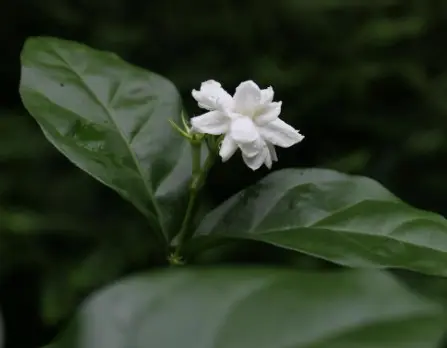
Melati
Jasmine
Jasminum sambac
Jasmine is prized for its intoxicating fragrance and delicate white blooms. In Malaysia, it is deeply symbolic of sincerity and ethnic heritage, often used in traditional weddings and offerings.
Care Guide
Light Requirements
Full sun (4-6+ hours daily) is needed for maximum flowering and fragrance. The volatile aromatic compounds (benzyl acetate, linalool, indole) that create jasmine fragrance are produced in higher quantities with direct sun exposure. More sun = more flowers with stronger scent. Shaded plants grow leafy but bloom sparsely.
Temperature
20°C - 35°C. Jasmine is very well-suited to Malaysia year-round warmth. Warm nights actually intensify the fragrance. The volatile compounds are released faster at higher temperatures, which is why jasmine smells strongest on warm evenings.
Humidity
50% - 80%. Jasmine tolerates Malaysia natural outdoor humidity well. Wet soil combined with stagnant humid air encourages fungal diseases on the stems and causes flower buds to rot before opening.
🌧️ Good news for Malaysia: Your home's natural humidity is already helping. Focus on airflow instead to prevent fungal issues.
Soil Preference
Well-draining, fertile soil slightly acidic to neutral (pH 6-7). Sandy loam with added compost is ideal. Good drainage is critical. Jasmine handles short dry spells far better than waterlogged roots.
Watering & Fertilizer
Keep soil consistently moist but never soggy. Fertilise every 2 weeks during active flowering with a phosphorus-heavy blend. Phosphorus (the P in NPK) is the primary nutrient used to build flower buds. Switching to a high-phosphorus fertiliser 6 weeks before peak flowering significantly boosts bud formation.
💭 Still unsure? Stick your finger 2 cm into the soil. If it feels dry, water. If it's moist, wait. You'll get it right.
General Care
Prune immediately after each blooming cycle ends. Jasmine blooms on NEW growth. Stems that grew in the current season. Cutting back just after flowering triggers a flush of new stems, which will carry the next round of buds. Old, woody stems produce very few flowers.
Propagation
Take semi-hardwood cuttings (stems that are no longer soft but not yet fully woody) in the morning when the plant is fully hydrated. Dip in rooting hormone powder if available. In Malaysia warmth and humidity, roots form in 3-4 weeks.
Pet Friendly?
True Jasminum species are non-toxic to cats and dogs. Important: "Star Jasmine" (Trachelospermum jasminoides) and "Carolina Jasmine" (Gelsemium sempervirens) are NOT true jasmines and ARE toxic. Always verify the scientific name before assuming safety.
Medicinal Benefits
Jasmine flowers contain linalool, a compound shown in studies to have anxiolytic (anxiety-reducing) and mild sedative effects when inhaled or consumed as tea. Jasmine tea delivers small amounts of these beneficial compounds.
Other Uses
Jasmine absolute oil (extracted from flowers) is one of the most expensive perfumery ingredients in the world. Used in countless luxury perfumes. The flowers flavour jasmine green tea and are used in traditional Malay and Indian ceremonies as garlands and offerings.
Pests & Diseases
Mealybugs cluster in leaf axils (where the leaf meets the stem) and feed on sap. They are protected by a white waxy coating that repels water-based pesticides. Dab with isopropyl alcohol on a cotton bud for direct treatment. Scale insects appear as hard brown bumps on stems.
Smart Tanam Tip
"Harvest flowers just as they begin to OPEN in the early evening. Not fully open and not still in bud. The aromatic compounds are at maximum concentration at this "just opening" stage. Once fully open for a day, the fragrance fades as the volatile compounds disperse into the air."
Common Mistakes in Malaysia
- Overwatering due to high humidity: Malaysia's moisture-rich air means soil dries slower. Most plant deaths come from root rot, not underwatering.
- Poor airflow: High humidity + still air = fungal issues. Move plants where air circulates naturally (near windows, not in corners).
- Ignoring the monsoon season: During heavy rain, reduce watering. Your plant is already getting moisture from the environment.
- Direct afternoon sun: Malaysian midday sun is intense. Even sun-loving plants can scorch. Morning sun is best.
Tips for Malaysia's Climate
- Use well-draining soil: Add perlite or cocopeat. Heavy soil + humidity = rot. Your soil should dry out between waterings.
- Water in the morning: Wet foliage at night is a recipe for fungal problems in humid climates. Early morning watering lets leaves dry quickly.
- Repot in spring: Before the dry season, refresh soil to prevent salt buildup and improve drainage.
- Watch for pests during monsoon: Wet season brings aphids, spider mites, and scale insects. Check undersides of leaves weekly.
- Increase airflow: Place a small fan nearby if the plant is indoors. Circulating air prevents humidity-related issues.
© 2026 Tanam Je. All rights reserved.
Disclaimer: Tanam Je is an educational resource. Plant care outcomes vary by environment, weather, and handling. Tanam Je is not liable for plant loss or related damages.