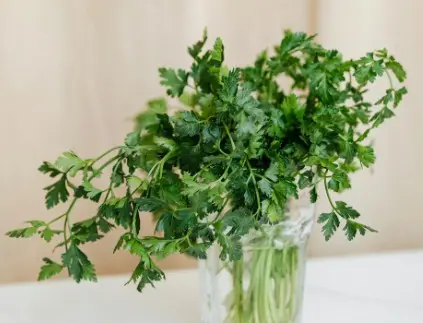
Ketumbar
Coriander / Cilantro
Coriandrum sativum
Coriander is a fast-growing annual herb widely used in Malaysian cooking. Its leaves (cilantro) have a fresh citrusy flavor, while the seeds (ketumbar) are warm, nutty, and commonly used in spice blends.
Care Guide
Light Requirements
Full sun to partial shade. In hot climates, partial shade helps prolong leaf production. For Coriander / Cilantro, stronger light usually means steadier sugar production, so leaves, flowers, or fruit can be maintained without stress.
Temperature
15°C - 25°C (ideal). Above 30°C, the plant tends to bolt quickly. Coriander / Cilantro performs best in stable warmth; sudden swings can interrupt active growth and delay flowering or fruit set.
Humidity
50% - 70%. Prefers moderate humidity with good air circulation. For Coriander / Cilantro, humidity is rarely the main issue in Malaysia; airflow is the real control point for disease prevention.
🌧️ Good news for Malaysia: Your home's natural humidity is already helping. Focus on airflow instead to prevent fungal issues.
Soil Preference
Loose, fertile, well-draining soil enriched with compost; avoid prolonged waterlogging. Coriander / Cilantro grows better when roots can breathe; constantly dense or soggy soil often causes hidden root decline first.
Watering & Fertilizer
Keep soil consistently moist but not waterlogged. Use well-draining soil. Light feeding with balanced fertilizer every 2–3 weeks.
💭 Still unsure? Stick your finger 2 cm into the soil. If it feels dry, water. If it's moist, wait. You'll get it right.
General Care
Coriander has a short life cycle (3–6 weeks for leaves). It bolts (flowers) quickly in heat, which reduces leaf quality. Succession planting every 2–3 weeks ensures continuous harvest.
Propagation
Grown from seeds. Lightly crush seeds before sowing to improve germination. Germinates in 7–14 days.
Pet Friendly?
Generally non-toxic to cats and dogs, but large amounts may cause mild digestive upset.
Medicinal Benefits
Traditionally used to aid digestion, reduce bloating, and support blood sugar control. Contains antioxidants such as flavonoids and vitamin C.
Other Uses
Leaves used fresh in salads, soups, and garnishes. Seeds are dried and used in curries, spice blends, and traditional medicine.
Pests & Diseases
Common pests include aphids, whiteflies, and spider mites. Overwatering may cause root rot or fungal diseases.
Smart Tanam Tip
"Harvest leaves early before the plant flowers for best flavor. Once it bolts, focus on collecting seeds (ketumbar) instead of leaves."
Common Mistakes in Malaysia
- Overwatering due to high humidity: Malaysia's moisture-rich air means soil dries slower. Most plant deaths come from root rot, not underwatering.
- Poor airflow: High humidity + still air = fungal issues. Move plants where air circulates naturally (near windows, not in corners).
- Ignoring the monsoon season: During heavy rain, reduce watering. Your plant is already getting moisture from the environment.
- Direct afternoon sun: Malaysian midday sun is intense. Even sun-loving plants can scorch. Morning sun is best.
Tips for Malaysia's Climate
- Use well-draining soil: Add perlite or cocopeat. Heavy soil + humidity = rot. Your soil should dry out between waterings.
- Water in the morning: Wet foliage at night is a recipe for fungal problems in humid climates. Early morning watering lets leaves dry quickly.
- Repot in spring: Before the dry season, refresh soil to prevent salt buildup and improve drainage.
- Watch for pests during monsoon: Wet season brings aphids, spider mites, and scale insects. Check undersides of leaves weekly.
- Increase airflow: Place a small fan nearby if the plant is indoors. Circulating air prevents humidity-related issues.
© 2026 Tanam Je. All rights reserved.
Disclaimer: Tanam Je is an educational resource. Plant care outcomes vary by environment, weather, and handling. Tanam Je is not liable for plant loss or related damages.