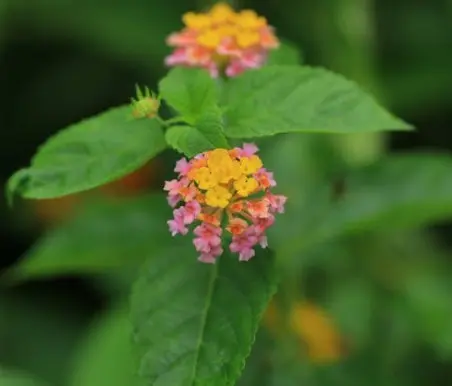
Lantana
Lantana
Lantana camara
Lantana is a hardy flowering shrub with dense clusters of small, multicolored flowers that change hue as they age. Extremely drought-tolerant and a magnet for butterflies, it's a low-maintenance choice for Malaysian gardens.
Care Guide
Light Requirements
Full sun is best. The more light it gets, the more energy it has for nonstop flower clusters and stronger color.
Temperature
20°C - 35°C suits it well. Lantana handles heat easily and keeps performing when fussier shrubs slow down.
Humidity
Very adaptable, but good sun and drainage matter more than humidity for this plant. Lantana benefits from humid air, but leaves should still dry between wet periods to reduce fungal pressure.
🌧️ Good news for Malaysia: Your home's natural humidity is already helping. Focus on airflow instead to prevent fungal issues.
Soil Preference
Any well-draining soil works. It does not need rich pampering soil to flower well. Lantana grows better when roots can breathe; constantly dense or soggy soil often causes hidden root decline first.
Watering & Fertilizer
Water regularly while it is getting established. After that, let the soil dry a little between waterings. Too much nitrogen fertilizer makes lots of leaves but fewer flowers, so do not overfeed.
💭 Still unsure? Stick your finger 2 cm into the soil. If it feels dry, water. If it's moist, wait. You'll get it right.
General Care
Prune often to keep it compact and blooming. Cutting back old flowered growth encourages fresh side shoots, and those shoots carry new blooms.
Propagation
Cuttings root easily because the stems are tough and fast-growing. Seeds also work, though they are slower and less predictable.
Pet Friendly?
Toxic to cats, dogs, and livestock. The plant contains strong protective chemicals, and the unripe berries are especially dangerous.
Medicinal Benefits
Used in traditional medicine in parts of Africa and Asia for treating colds, fever, rheumatism, and skin conditions. Leaf extracts have documented antimicrobial and anti-inflammatory activity in research settings.
Other Uses
Outstanding butterfly and pollinator attractor. Especially swallowtails and skippers. Used for erosion control and as ground cover on slopes. Caution: considered an invasive weed in parts of Malaysia and Southeast Asia.
Pests & Diseases
Usually very pest-resistant. Problems show up mostly when the plant is grown too wet or too shaded, which weakens its naturally tough growth.
Smart Tanam Tip
"Those color-changing flower heads are not just pretty. Older and newer florets send different signals to pollinators about where the nectar is."
Common Mistakes in Malaysia
- Overwatering due to high humidity: Malaysia's moisture-rich air means soil dries slower. Most plant deaths come from root rot, not underwatering.
- Poor airflow: High humidity + still air = fungal issues. Move plants where air circulates naturally (near windows, not in corners).
- Ignoring the monsoon season: During heavy rain, reduce watering. Your plant is already getting moisture from the environment.
- Direct afternoon sun: Malaysian midday sun is intense. Even sun-loving plants can scorch. Morning sun is best.
Tips for Malaysia's Climate
- Use well-draining soil: Add perlite or cocopeat. Heavy soil + humidity = rot. Your soil should dry out between waterings.
- Water in the morning: Wet foliage at night is a recipe for fungal problems in humid climates. Early morning watering lets leaves dry quickly.
- Repot in spring: Before the dry season, refresh soil to prevent salt buildup and improve drainage.
- Watch for pests during monsoon: Wet season brings aphids, spider mites, and scale insects. Check undersides of leaves weekly.
- Increase airflow: Place a small fan nearby if the plant is indoors. Circulating air prevents humidity-related issues.
© 2026 Tanam Je. All rights reserved.
Disclaimer: Tanam Je is an educational resource. Plant care outcomes vary by environment, weather, and handling. Tanam Je is not liable for plant loss or related damages.