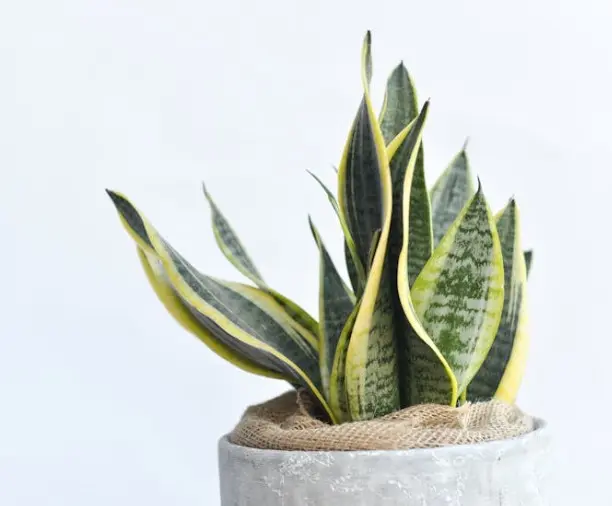
Lidah Mertua
Snake Plant
Dracaena trifasciata
Formerly known as Sansevieria, this plant is famous for its vertical, sword-like leaves. It is a champion of indoor air purification and can survive almost any neglect.
Care Guide
Light Requirements
Very adaptable. It survives low light because the leaves store reserves, but bright indirect light gives it more energy to stay firm, upright, and richly colored.
Temperature
18°C - 30°C. It handles normal indoor temperature changes well because it is built for dry, stressful environments, not delicate rainforest conditions.
Humidity
Low to moderate is enough. Its thick waxy leaves reduce water loss, so extra misting usually does more harm than good in Malaysia’s already humid air.
🌧️ Good news for Malaysia: Your home's natural humidity is already helping. Focus on airflow instead to prevent fungal issues.
Soil Preference
Use loose, fast-draining soil so the roots get air. This plant hates sitting wet because its roots rot faster than the leaves show warning signs.
Watering & Fertilizer
Let the soil dry out fully between waterings. The leaves act like water storage tanks, so watering too often drowns the roots long before the plant gets thirsty. In Malaysia, this often means watering less than people expect.
💭 Still unsure? Stick your finger 2 cm into the soil. If it feels dry, water. If it's moist, wait. You'll get it right.
General Care
Wipe dust off the leaves so more light reaches the leaf surface. That helps the plant make food more efficiently, especially indoors where light is already limited.
Propagation
Division or leaf cuttings both work because this plant stores enough energy in its tissues to regrow roots. Variegated types may turn plain green from leaf cuttings because green tissue grows more strongly.
Pet Friendly?
Contains saponins, which are bitter protective compounds made by the plant. These can upset a pet’s stomach and mouth if chewed.
Medicinal Benefits
It has some traditional topical uses, but today it is valued far more as a hardy indoor plant than as a dependable medicinal species.
Other Uses
Popular for bedrooms and offices because it tolerates neglect, low light, and indoor air better than most tropical houseplants.
Pests & Diseases
Usually very pest-resistant because the leaves are tough and dry. The main danger is root rot from soggy soil, not insects.
Smart Tanam Tip
"If you are unsure whether to water, wait. This is one of the few plants that suffers more from kindness than from neglect."
Common Mistakes in Malaysia
- Overwatering due to high humidity: Malaysia's moisture-rich air means soil dries slower. Most plant deaths come from root rot, not underwatering.
- Poor airflow: High humidity + still air = fungal issues. Move plants where air circulates naturally (near windows, not in corners).
- Ignoring the monsoon season: During heavy rain, reduce watering. Your plant is already getting moisture from the environment.
- Direct afternoon sun: Malaysian midday sun is intense. Even sun-loving plants can scorch. Morning sun is best.
Tips for Malaysia's Climate
- Use well-draining soil: Add perlite or cocopeat. Heavy soil + humidity = rot. Your soil should dry out between waterings.
- Water in the morning: Wet foliage at night is a recipe for fungal problems in humid climates. Early morning watering lets leaves dry quickly.
- Repot in spring: Before the dry season, refresh soil to prevent salt buildup and improve drainage.
- Watch for pests during monsoon: Wet season brings aphids, spider mites, and scale insects. Check undersides of leaves weekly.
- Increase airflow: Place a small fan nearby if the plant is indoors. Circulating air prevents humidity-related issues.
© 2026 Tanam Je. All rights reserved.
Disclaimer: Tanam Je is an educational resource. Plant care outcomes vary by environment, weather, and handling. Tanam Je is not liable for plant loss or related damages.