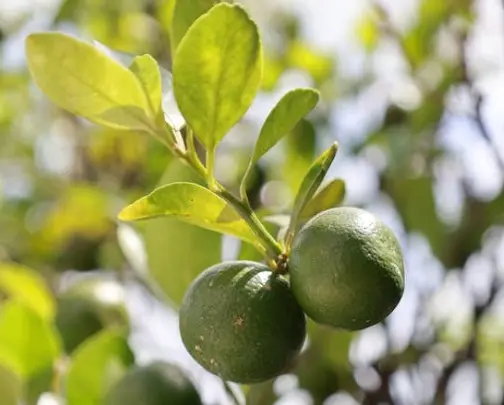
Limau Kasturi
Calamansi
Citrus × microcarpa
A staple in Southeast Asian kitchens, this small citrus tree produces incredibly aromatic fruits used for juices, sambals, and traditional remedies.
Care Guide
Light Requirements
Full sun is mandatory because fruit production is energetically expensive. Photosynthesis in sunlight makes the sugars needed to build citrus fruits. Shade = few fruits.
Temperature
20°C - 35°C is ideal. Calamansi evolved in tropical Southeast Asia so Malaysian heat is natural.
Humidity
Moderate to high is fine, but airflow matters more than humidity for Calamansi. Good airflow prevents fungal diseases and reduces pest hiding spots.
🌧️ Good news for Malaysia: Your home's natural humidity is already helping. Focus on airflow instead to prevent fungal issues.
Soil Preference
Deep fertile loamy soil mimics what you'd find under tropical trees. Natural soil has organic matter (decomposed leaves) that holds nutrients and moisture for root feeding.
Watering & Fertilizer
Keep soil consistently moist (not soggy) for steady root feeding, which supports continuous flowering. High potassium every 2-3 months shifts plant energy toward fruit-making (potassium supports sugar transport and cell energy regulation, which drives fruit development).
💭 Still unsure? Stick your finger 2 cm into the soil. If it feels dry, water. If it's moist, wait. You'll get it right.
General Care
Pruning removes old unproductive branches and opens the canopy to more light, forcing the plant to make new fruiting branches instead of maintaining old wood.
Propagation
Air-layering (marcotting) is faster than seeds because grafted trees skip the juvenile growth stage. Seeds take 5-7 years to fruit, air-layering only 2-3 years.
Pet Friendly?
The peel contains psoralens, which can trigger phototoxic skin reactions in sensitive individuals after intense sun exposure. Normal fruit consumption is generally low risk, but avoid feeding peel or large amounts to pets.
Medicinal Benefits
Very high Vitamin C (higher per 100g than oranges). Used traditionally for cough relief because citric acid stimulates mucus clearance.
Other Uses
Culinary staple in Malaysian cooking. Juice in sambals, gravies, and drinks. Peel fragrance is antimicrobial in cleaning solutions.
Pests & Diseases
Leafminers tunnel inside leaves (you'll see white squiggly lines). Aphids cluster on soft growth. Neem oil disrupts both insects' nervous systems.
Smart Tanam Tip
"Fruit drop happens when the tree is nutrient-starved. It drops flowers to conserve energy rather than invest in fruit. Regular monthly fertilizing significantly reduces the risk of fruit drop."
Common Mistakes in Malaysia
- Overwatering due to high humidity: Malaysia's moisture-rich air means soil dries slower. Most plant deaths come from root rot, not underwatering.
- Poor airflow: High humidity + still air = fungal issues. Move plants where air circulates naturally (near windows, not in corners).
- Ignoring the monsoon season: During heavy rain, reduce watering. Your plant is already getting moisture from the environment.
- Direct afternoon sun: Malaysian midday sun is intense. Even sun-loving plants can scorch. Morning sun is best.
Tips for Malaysia's Climate
- Use well-draining soil: Add perlite or cocopeat. Heavy soil + humidity = rot. Your soil should dry out between waterings.
- Water in the morning: Wet foliage at night is a recipe for fungal problems in humid climates. Early morning watering lets leaves dry quickly.
- Repot in spring: Before the dry season, refresh soil to prevent salt buildup and improve drainage.
- Watch for pests during monsoon: Wet season brings aphids, spider mites, and scale insects. Check undersides of leaves weekly.
- Increase airflow: Place a small fan nearby if the plant is indoors. Circulating air prevents humidity-related issues.
© 2026 Tanam Je. All rights reserved.
Disclaimer: Tanam Je is an educational resource. Plant care outcomes vary by environment, weather, and handling. Tanam Je is not liable for plant loss or related damages.