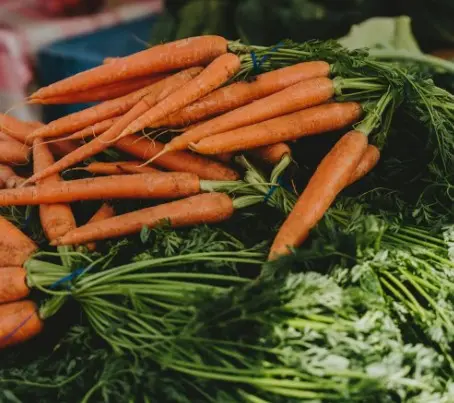
Lobak Merah
Carrot
Daucus carota subsp. sativus
Carrot (Daucus carota subsp. sativus) is a nutritious root vegetable valued for its sweet crunch and high beta-carotene content. In Malaysia, it grows best during cooler periods, in highland areas, or with heat management such as afternoon shade and loose, deep soil.
Care Guide
Light Requirements
Full sun to bright partial sun (at least 6 hours). Strong light supports better root bulking and sugar accumulation, while heavy shade gives weak tops and smaller roots.
Temperature
16°C - 28°C. Carrots are a cool-leaning crop; in hotter lowland weather they may become shorter, paler, or fibrous. Grow during cooler months or in cooler microclimates when possible.
Humidity
50% - 75%. Moderate humidity is fine as long as airflow and drainage are good. Constantly wet foliage and compacted soil increase disease pressure.
🌧️ Good news for Malaysia: Your home's natural humidity is already helping. Focus on airflow instead to prevent fungal issues.
Soil Preference
Deep, loose, stone-free, well-draining soil is essential for straight roots. Heavy or compacted soil causes forked, twisted, or stunted carrots.
Watering & Fertilizer
Keep moisture steady, especially during germination and root enlargement. Inconsistent watering can cause cracking. Use moderate fertilizer at planting; excess nitrogen promotes leaves over root size.
💭 Still unsure? Stick your finger 2 cm into the soil. If it feels dry, water. If it's moist, wait. You'll get it right.
General Care
Thin seedlings early to about 5-8 cm spacing so roots can develop fully. Keep beds weed-free and avoid disturbing roots while growing. Most varieties are ready in about 70-100 days, depending on temperature and cultivar.
Propagation
Seeds only. Direct sow where they will grow to harvest, since transplanting usually deforms roots. Germination commonly takes 7-14 days in warm conditions.
Pet Friendly?
Carrot roots are generally safe for pets in small amounts. Avoid feeding large quantities at once to prevent digestive upset.
Medicinal Benefits
Rich in beta-carotene (provitamin A), fiber, and antioxidants that support eye and immune health as part of a balanced diet.
Other Uses
Used in soups, stir-fries, salads, juices, and pickles. Young carrot tops are edible but typically used in small amounts for garnish or pesto.
Pests & Diseases
Leaf-eating insects, aphids, and soil pests can reduce vigor; root splitting and deformity often come from uneven watering or compacted soil rather than insects. Maintain loose soil and steady moisture.
Smart Tanam Tip
"For sweeter carrots, prioritize steady moisture and cooler growing windows. Heat stress and irregular watering are the two biggest causes of fibrous texture."
Common Mistakes in Malaysia
- Overwatering due to high humidity: Malaysia's moisture-rich air means soil dries slower. Most plant deaths come from root rot, not underwatering.
- Poor airflow: High humidity + still air = fungal issues. Move plants where air circulates naturally (near windows, not in corners).
- Ignoring the monsoon season: During heavy rain, reduce watering. Your plant is already getting moisture from the environment.
- Direct afternoon sun: Malaysian midday sun is intense. Even sun-loving plants can scorch. Morning sun is best.
Tips for Malaysia's Climate
- Use well-draining soil: Add perlite or cocopeat. Heavy soil + humidity = rot. Your soil should dry out between waterings.
- Water in the morning: Wet foliage at night is a recipe for fungal problems in humid climates. Early morning watering lets leaves dry quickly.
- Repot in spring: Before the dry season, refresh soil to prevent salt buildup and improve drainage.
- Watch for pests during monsoon: Wet season brings aphids, spider mites, and scale insects. Check undersides of leaves weekly.
- Increase airflow: Place a small fan nearby if the plant is indoors. Circulating air prevents humidity-related issues.
© 2026 Tanam Je. All rights reserved.
Disclaimer: Tanam Je is an educational resource. Plant care outcomes vary by environment, weather, and handling. Tanam Je is not liable for plant loss or related damages.