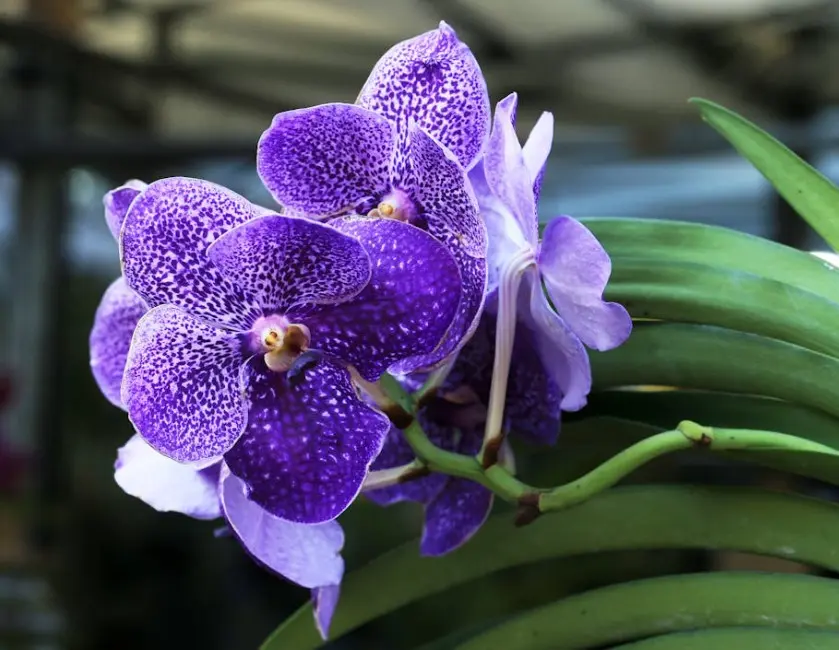
Orkid Vanda
Vanda Orchid
Vanda spp.
Vandas are high-light orchids known for their dramatic aerial roots. They are iconic in the Malaysian landscape, often seen hanging in baskets without any soil.
Care Guide
Light Requirements
High light because in nature Vandas live on high tree branches exposed to dappled sunlight filtering through canopy leaves. Morning sun mimics this. Afternoon sun can scorch exposed leaves.
Temperature
22°C - 35°C and warm nights trigger flowering. Cool nights signal the plant to sleep instead of bloom. Malaysian tropical heat is perfect.
Humidity
Very high (80%+) because aerial roots lack protective covering. They're designed to absorb moisture from humid air (hygroscopic) rather than soil water.
🌧️ Good news for Malaysia: Your home's natural humidity is already helping. Focus on airflow instead to prevent fungal issues.
Soil Preference
No soil at all! Aerial roots evolved to cling to tree bark in air, absorbing moisture and nutrients from rain and air. Standard soil would suffocate them by blocking airflow.
Watering & Fertilizer
Misting roots twice daily in dry seasons mimics tropical morning dew + afternoon humidity. "Weakly weekly" = dilute fertilizer weekly instead of concentrated monthly. Aerial roots absorb nutrients from liquid mist, not soil minerals.
💭 Still unsure? Stick your finger 2 cm into the soil. If it feels dry, water. If it's moist, wait. You'll get it right.
General Care
Maximum airflow prevents fungal rot on aerial roots. Air circulation = faster drying = no rot. Stagnant humidity = fungal death.
Propagation
Keikis (baby plants) develop from mature stems with their own root buds. A cutting needs 3-4 roots to handle Malaysia's humidity and photosynthesize independently.
Pet Friendly?
Most Vanda species are non-toxic to domestic pets, though some orchids can be irritants.
Medicinal Benefits
Some Southeast Asian traditions use Vanda extracts for anti-inflammatory purposes, but evidence is preliminary.
Other Uses
Prized in orchid shows and floral arrangements. Blooms last 2-3 weeks and have intense fragrance, especially at night.
Pests & Diseases
Thrips (tiny insects) rasp flower petals leaving white scars. Fungal rot happens when water pools in leaf centers. Always mist from below.
Smart Tanam Tip
"Heavy feeding is essential because without soil nutrients, the plant relies entirely on fertilizer in mist. Regular feeding = consistent blooming year-round. Skip fertilizing and blooms disappear within months."
Common Mistakes in Malaysia
- Overwatering due to high humidity: Malaysia's moisture-rich air means soil dries slower. Most plant deaths come from root rot, not underwatering.
- Poor airflow: High humidity + still air = fungal issues. Move plants where air circulates naturally (near windows, not in corners).
- Ignoring the monsoon season: During heavy rain, reduce watering. Your plant is already getting moisture from the environment.
- Direct afternoon sun: Malaysian midday sun is intense. Even sun-loving plants can scorch. Morning sun is best.
Tips for Malaysia's Climate
- Use well-draining soil: Add perlite or cocopeat. Heavy soil + humidity = rot. Your soil should dry out between waterings.
- Water in the morning: Wet foliage at night is a recipe for fungal problems in humid climates. Early morning watering lets leaves dry quickly.
- Repot in spring: Before the dry season, refresh soil to prevent salt buildup and improve drainage.
- Watch for pests during monsoon: Wet season brings aphids, spider mites, and scale insects. Check undersides of leaves weekly.
- Increase airflow: Place a small fan nearby if the plant is indoors. Circulating air prevents humidity-related issues.
© 2026 Tanam Je. All rights reserved.
Disclaimer: Tanam Je is an educational resource. Plant care outcomes vary by environment, weather, and handling. Tanam Je is not liable for plant loss or related damages.