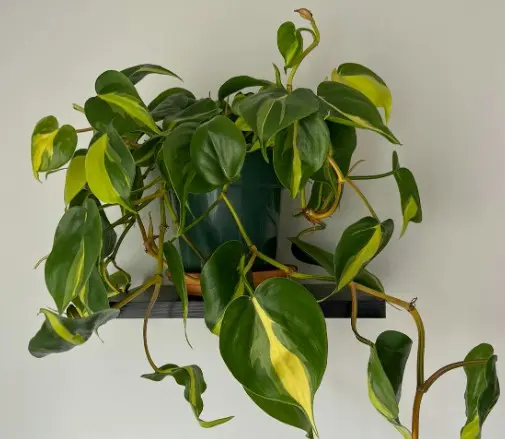
Philodendron
Philodendron
Philodendron spp.
A massive genus of tropical plants. Whether climbing or "self-heading," they are prized for their glossy, heart-shaped leaves and ability to thrive in typical Malaysian indoor light.
Care Guide
Light Requirements
Bright indirect light. Variegated varieties (with white or yellow patches) need MORE light than all-green types. The white parts have no chlorophyll and cannot photosynthesize, so the remaining green parts must work harder to feed the whole plant. Yellowing leaves indicate too much direct sun burning the chlorophyll. Long, skinny stems reaching toward the window indicate too little light.
Temperature
18°C - 30°C. Thrives in typical Malaysian room temperature. Below 15°C slows cell division in new leaves, causing them to emerge small and deformed.
Humidity
50% - 70%. If new leaves get "stuck" while unfurling (remaining tightly rolled), the air is too dry. The leaf edges have dried out and adhered together. Mist the emerging leaf gently with water to help it open.
🌧️ Good news for Malaysia: Your home's natural humidity is already helping. Focus on airflow instead to prevent fungal issues.
Soil Preference
Loose, well-draining aroid mix: cocopeat + perlite + orchid bark. Philodendron roots need both moisture AND oxygen. Compacted soil holds water but suffocates roots. The bark chunks create air pockets for root respiration.
Watering & Fertilizer
Water when the top 50% of soil is dry. Philodendron is a tropical forest understory plant that experiences periods of drying between heavy rains. Constantly soggy soil causes root rot because roots need to "breathe" between waterings. Balanced fertiliser monthly during the growing season.
💭 Still unsure? Stick your finger 2 cm into the soil. If it feels dry, water. If it's moist, wait. You'll get it right.
General Care
Wipe leaves with a damp cloth monthly. Dust blocks the stomata (tiny pores that absorb CO2 for photosynthesis) and reduces the leaf ability to make food. For climbing varieties like Heartleaf Philodendron, a moss pole encourages larger leaves. Climbing triggers the adult growth phase of this species where leaves grow dramatically bigger.
Propagation
Cut just below a node (the bump on the stem where a leaf grows). Nodes contain meristematic cells that can form both roots and shoots. Submerge only the node in water or moist sphagnum moss, not the leaf. Success rate is very high in warm, humid Malaysia.
Pet Friendly?
Contains calcium oxalate crystals. Microscopic needle-shaped crystals (raphides) that embed in soft tissue. When chewed, they cause immediate burning, swelling, and pain in the mouth and throat of pets and children.
Medicinal Benefits
Studied as an air purifier in the NASA Clean Air Study. Removes formaldehyde and benzene from indoor air. However, you would need dozens of plants in a sealed room to have a measurable impact in real indoor conditions.
Other Uses
Highly popular for vertical gardens, office installations, and interior landscaping because of their low light tolerance, dramatic leaf shapes, and easy propagation.
Pests & Diseases
Thrips leave silver streaks on leaves by rasping through the surface to feed on cell contents. Fungus gnats breed in consistently wet soil. Their larvae eat root hairs and damage the root system. Allow soil to partially dry between waterings to break their breeding cycle.
Smart Tanam Tip
"Those brown aerial roots growing from the stem are not a sign of disease. They are the plant reaching out for a surface to climb or for humidity in the air. They are completely normal and healthy. Tuck them into the soil to grow as extra roots, or leave them as-is."
Common Mistakes in Malaysia
- Overwatering due to high humidity: Malaysia's moisture-rich air means soil dries slower. Most plant deaths come from root rot, not underwatering.
- Poor airflow: High humidity + still air = fungal issues. Move plants where air circulates naturally (near windows, not in corners).
- Ignoring the monsoon season: During heavy rain, reduce watering. Your plant is already getting moisture from the environment.
- Direct afternoon sun: Malaysian midday sun is intense. Even sun-loving plants can scorch. Morning sun is best.
Tips for Malaysia's Climate
- Use well-draining soil: Add perlite or cocopeat. Heavy soil + humidity = rot. Your soil should dry out between waterings.
- Water in the morning: Wet foliage at night is a recipe for fungal problems in humid climates. Early morning watering lets leaves dry quickly.
- Repot in spring: Before the dry season, refresh soil to prevent salt buildup and improve drainage.
- Watch for pests during monsoon: Wet season brings aphids, spider mites, and scale insects. Check undersides of leaves weekly.
- Increase airflow: Place a small fan nearby if the plant is indoors. Circulating air prevents humidity-related issues.
© 2026 Tanam Je. All rights reserved.
Disclaimer: Tanam Je is an educational resource. Plant care outcomes vary by environment, weather, and handling. Tanam Je is not liable for plant loss or related damages.