Salak
Snake Fruit
Salacca zalacca
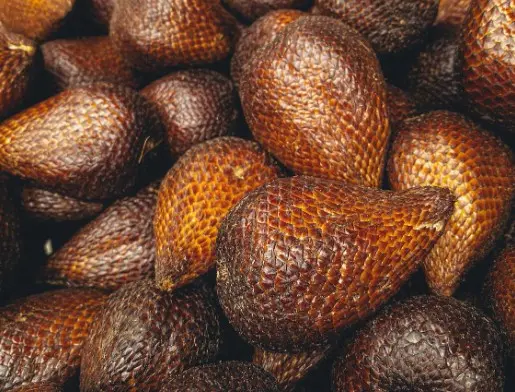
Salak (Salacca zalacca), known as Snake Fruit, is a Southeast Asian palm native to Indonesia and widely grown in Malaysia. It produces tight clusters of reddish-brown, scaly-skinned fruits with crisp, apple-like flesh ranging from sweet to mildly astringent. The plant grows low and clumping, without a tall trunk.
Care Guide
Light Requirements
Partial shade when young (30-50%); full sun as the tree matures (10+ years). The thin young fronds and leaflets sunburn easily under intense Malaysia sun, but mature trees are extremely sun-tolerant and actually fruit better in full sun.
Temperature
22°C - 32°C. A true lowland tropical palm that does not tolerate temperatures below 15°C. Malaysia climate is nearly ideal year-round.
Humidity
70% - 90% (very high humidity required). Salak evolved in the humid undercanopy of tropical rainforests. Drier air causes the thin leaflets to brown and crisp at the edges.
🌧️ Good news for Malaysia: Your home's natural humidity is already helping. Focus on airflow instead to prevent fungal issues.
Soil Preference
Deep, fertile, well-draining loamy soil. Despite the high humidity preference, salak does not tolerate waterlogged roots. The soil must drain freely while retaining moisture. A mounding or raised bed helps water drain away from the crown.
Watering & Fertilizer
Keep soil consistently moist but never waterlogged. Mulch heavily (15-20cm) to retain moisture and insulate against temperature fluctuations. Apply balanced fertiliser 4 times per year (every 3 months) to support the enormous energy demand of heavy fruit production.
💭 Still unsure? Stick your finger 2 cm into the soil. If it feels dry, water. If it's moist, wait. You'll get it right.
General Care
Salak is dioecious. Separate male and female trees are required for fruit production. A single fruit-producing female tree in Malaysia typically has a male tree planted nearby for pollination. Remove dead fronds and spent fruit clusters. Protect from strong winds which damage the thin leaflets.
Propagation
Salak naturally produces sucker shoots from the base of the plant as it ages. These rooted offsets can be carefully separated and grown into new plants. Rooted suckers begin fruiting in 2-3 years. Seeds germinate but take 8-10 years to produce fruit and may not maintain the parent quality.
Pet Friendly?
Not well-studied for pet safety. The scaly skin (safe to handle) protects the soft flesh inside, but keep away from pets as a precaution.
Medicinal Benefits
The fruit flesh contains tannins (which cause the astringent taste). Traditionally used for treating diarrhea and dysentery in Southeast Asian medicine.
Other Uses
Ripe fruit is a delicacy eaten fresh or dried. The processed dried fruit is exported as a premium snack throughout Asia. The leaves and fruit bunches are ornamental, making salak trees visually striking even when not fruiting.
Pests & Diseases
Fruit borers (Zeuzera species) tunnel into the soft developing fruit. The scaly skin does not protect against entry. Bagging individual fruit clusters when they first appear prevents borer access. Scale insects cluster on trunk and frond bases. Root rot is the most serious disease. Ensure impeccable drainage.
Smart Tanam Tip
"Salak means "snake" in Malay. The name refers to the scaly exterior of the fruit which resembles snake skin. In the wet lowlands of Malaysia, salak thrives naturally and is found in traditional home gardens throughout Johor and Selangor, where it has been cultivated for centuries."
Common Mistakes in Malaysia
- Overwatering due to high humidity: Malaysia's moisture-rich air means soil dries slower. Most plant deaths come from root rot, not underwatering.
- Poor airflow: High humidity + still air = fungal issues. Move plants where air circulates naturally (near windows, not in corners).
- Ignoring the monsoon season: During heavy rain, reduce watering. Your plant is already getting moisture from the environment.
- Direct afternoon sun: Malaysian midday sun is intense. Even sun-loving plants can scorch. Morning sun is best.
Tips for Malaysia's Climate
- Use well-draining soil: Add perlite or cocopeat. Heavy soil + humidity = rot. Your soil should dry out between waterings.
- Water in the morning: Wet foliage at night is a recipe for fungal problems in humid climates. Early morning watering lets leaves dry quickly.
- Repot in spring: Before the dry season, refresh soil to prevent salt buildup and improve drainage.
- Watch for pests during monsoon: Wet season brings aphids, spider mites, and scale insects. Check undersides of leaves weekly.
- Increase airflow: Place a small fan nearby if the plant is indoors. Circulating air prevents humidity-related issues.
© 2026 Tanam Je. All rights reserved.
Disclaimer: Tanam Je is an educational resource. Plant care outcomes vary by environment, weather, and handling. Tanam Je is not liable for plant loss or related damages.