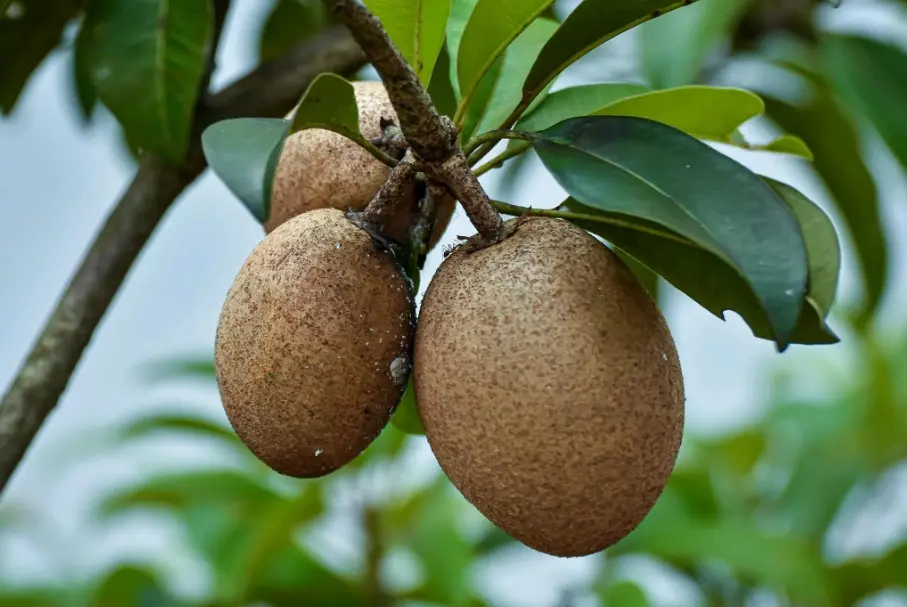
Ciku
Sapodilla
Manilkara zapota
Sapodilla (Manilkara zapota), known locally as Ciku, is a beloved tropical fruit tree producing sweet, sandy-textured brown fruits with a malty, caramel-like flavor. One of Malaysia's most popular garden fruit trees, it is long-lived, drought-tolerant, and begins fruiting within 3-4 years from grafted seedlings.
Care Guide
Light Requirements
Full sun to partial shade. Sapodilla is a shade-tolerant tree that produces better fruit quality in full sun, but can tolerate 30-50% shade as an understory component in agroforestry systems.
Temperature
22°C - 32°C. This is the key requirement for sapodilla. It demands warmth year-round. Temperatures below 15°C are stressful. Young trees thrive in Malaysia.
Humidity
60% - 80%. Sapodilla tolerates humid tropical climates very well. Consistent humidity supports fruit production.
🌧️ Good news for Malaysia: Your home's natural humidity is already helping. Focus on airflow instead to prevent fungal issues.
Soil Preference
Deep, fertile, well-draining loamy soil with good moisture retention. Sapodilla develops a deep taproot. Soil must be deep (60cm+) and well-structured. Heavy clay soils restrict root development and reduce yields.
Watering & Fertilizer
Water deeply during establishment. Once mature, sapodilla is moderately drought-tolerant. During the flowering/fruiting period, maintain consistent soil moisture for better yield. Fertilise 3-4 times per year with a balanced NPK formula or K-rich formula once fruit set begins (potassium improves sweetness).
💭 Still unsure? Stick your finger 2 cm into the soil. If it feels dry, water. If it's moist, wait. You'll get it right.
General Care
Thin excessive fruit clusters to redirect energy into larger fruits. Sapodilla flowers produce small, greenish-white blooms. They are self-compatible but cross-pollination increases fruiting. Prune lightly to maintain an open, manageable canopy. The tree naturally develops a broad, spreading crown.
Propagation
Grafting is preferred for true-to-type fruiting characteristics and earlier yield (3-5 years vs 8-10 years from seed). Approach grafting or veneer grafting work well. Seeds are viable but produce variable offspring.
Pet Friendly?
The seeds have sharp, hard edges. Swallowing them can cause intestinal obstruction in pets. Keep away from dogs and children.
Medicinal Benefits
Primarily a food source. The latex contains compounds traditionally used in chewing gum.
Other Uses
Fresh fruit (crispy, grainy-sweet texture). Chicle latex was used historically for chewing gum manufacture.
Pests & Diseases
Fruit flies (Bactrocera) are the primary pest in Malaysia. They bore into ripening fruit. Bagging developing fruit clusters with mesh bags prevents egg-laying. Scale insects and mealybugs can appear on branches.
Smart Tanam Tip
"Sapodilla fruits ripen very quickly once harvesting maturity is reached. An unripe fruit is rock-hard and astringent; a fully ripe fruit becomes soft and falls from the tree within 1-2 days. Pick fruits just before they fully ripen and store at room temperature for 1-2 days to reach peak sweetness. Trees live for many decades and can produce for 40-50 years of productive life."
Common Mistakes in Malaysia
- Overwatering due to high humidity: Malaysia's moisture-rich air means soil dries slower. Most plant deaths come from root rot, not underwatering.
- Poor airflow: High humidity + still air = fungal issues. Move plants where air circulates naturally (near windows, not in corners).
- Ignoring the monsoon season: During heavy rain, reduce watering. Your plant is already getting moisture from the environment.
- Direct afternoon sun: Malaysian midday sun is intense. Even sun-loving plants can scorch. Morning sun is best.
Tips for Malaysia's Climate
- Use well-draining soil: Add perlite or cocopeat. Heavy soil + humidity = rot. Your soil should dry out between waterings.
- Water in the morning: Wet foliage at night is a recipe for fungal problems in humid climates. Early morning watering lets leaves dry quickly.
- Repot in spring: Before the dry season, refresh soil to prevent salt buildup and improve drainage.
- Watch for pests during monsoon: Wet season brings aphids, spider mites, and scale insects. Check undersides of leaves weekly.
- Increase airflow: Place a small fan nearby if the plant is indoors. Circulating air prevents humidity-related issues.
© 2026 Tanam Je. All rights reserved.
Disclaimer: Tanam Je is an educational resource. Plant care outcomes vary by environment, weather, and handling. Tanam Je is not liable for plant loss or related damages.