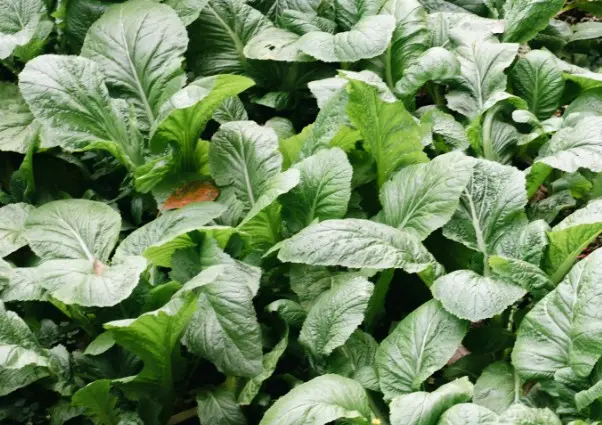
Sawi
Mustard Greens
Brassica juncea
Sawi (Brassica rapa) is a fast-growing leafy green vegetable with broad, tender leaves and a mild peppery flavor, used daily in Malaysian Chinese and Malay kitchens. stir-fried, blanched, or added to soups. One of the quickest and most productive vegetables to grow in a Malaysian home garden.
Care Guide
Light Requirements
Full sun to partial shade. Sawi tolerates some shade (30% shade acceptable), making it suitable for inter-planting with taller crops. However, plants in full sun (6+ hours) produce more tender leaves and reach harvestable size faster than shaded plants.
Temperature
15°C - 25°C. Like other brassicas, sawi is a cool-season crop that prefers temperatures below 25°C. It grows slowly and becomes tough/bitter in sustained tropical heat above 27°C. In Malaysia, plant during cooler months (Nov-Apr) or at higher elevations.
Humidity
60% - 80%. Sawi handles high humidity well, unlike some leafy greens. Tropical humidity is actually beneficial, though good air circulation prevents fungal disease and improves leaf quality.
🌧️ Good news for Malaysia: Your home's natural humidity is already helping. Focus on airflow instead to prevent fungal issues.
Soil Preference
Well-draining garden loam enriched with compost or organic matter. Sawi is a fast-growing leafy crop with high nitrogen demands. Incorporate compost or aged manure 2-3 weeks before planting. pH 6.0-7.5 is optimal.
Watering & Fertilizer
Keep soil consistently moist but not waterlogged. Sawi grows quickly only with steady moisture and nitrogen availability. Fertilise every 2-3 weeks with nitrogen-rich fertiliser (or balanced NPK). Young seedlings benefit from diluted liquid fertiliser every 7-10 days.
💭 Still unsure? Stick your finger 2 cm into the soil. If it feels dry, water. If it's moist, wait. You'll get it right.
General Care
Sawi is grown primarily for the young leaves. Harvest by pinching off outer leaves when plants are 15-20cm tall, or cut the entire plant just above the soil line if you prefer. Usually a new crop will regrow from the base. Cut-and-come-again harvesting extends productivity from a single planting.
Propagation
Seeds. Direct sow seeds 1cm deep in rows, spacing 20-30cm apart. Thin seedlings to 15-20cm spacing when 5-8cm tall. Germination occurs in 5-7 days in warm conditions.
Pet Friendly?
The glucosinolates (mustard compounds) that give sawi its peppery flavor are actually mildly toxic in large quantities. Occasional consumption of sawi by pets is fine, but it should not become a dietary staple for animals. Goitrogens in brassicas can interfere with thyroid function in susceptible individuals if consumed excessively.
Medicinal Benefits
Very high in vitamins A, C, and K. Contains glucosinolates (compound that breaks down into sulforaphane) which has been researched for potential anti-cancer properties. Fiber content supports digestive health.
Other Uses
Cooking (stir-fries, soups, braising. The Malaysian way of cooking sawi with oyster sauce is classic). Young tender leaves eaten raw in salads. Mature leaves used for cooking. Every part of the plant is edible and used.
Pests & Diseases
Aphids cluster on undersides of leaves. Spray with neem oil or water blast them off. Diamondback moth caterpillars tunnel into leaves; use row covers on young plants or insecticidal soap. Cabbage butterflies lay eggs on sawi. Cover plants with fine mesh. Fungal leaf spots appear in humid, poorly-ventilated conditions.
Smart Tanam Tip
"Sawi is one of the fastest-maturing leafy crops. From seed to first harvest is 30-40 days. A single succession planting every 2 weeks ensures continuous fresh sawi year-round during the cool season. The younger and faster it grows, the more tender and mild the leaves. Slow growth in heat or poor conditions produces tough, very peppery leaves. In Malaysia, sawi is best grown upland (Cameron Highlands, Genting) or in the cool season (Dec-Feb) at sea level."
Common Mistakes in Malaysia
- Overwatering due to high humidity: Malaysia's moisture-rich air means soil dries slower. Most plant deaths come from root rot, not underwatering.
- Poor airflow: High humidity + still air = fungal issues. Move plants where air circulates naturally (near windows, not in corners).
- Ignoring the monsoon season: During heavy rain, reduce watering. Your plant is already getting moisture from the environment.
- Direct afternoon sun: Malaysian midday sun is intense. Even sun-loving plants can scorch. Morning sun is best.
Tips for Malaysia's Climate
- Use well-draining soil: Add perlite or cocopeat. Heavy soil + humidity = rot. Your soil should dry out between waterings.
- Water in the morning: Wet foliage at night is a recipe for fungal problems in humid climates. Early morning watering lets leaves dry quickly.
- Repot in spring: Before the dry season, refresh soil to prevent salt buildup and improve drainage.
- Watch for pests during monsoon: Wet season brings aphids, spider mites, and scale insects. Check undersides of leaves weekly.
- Increase airflow: Place a small fan nearby if the plant is indoors. Circulating air prevents humidity-related issues.
© 2026 Tanam Je. All rights reserved.
Disclaimer: Tanam Je is an educational resource. Plant care outcomes vary by environment, weather, and handling. Tanam Je is not liable for plant loss or related damages.