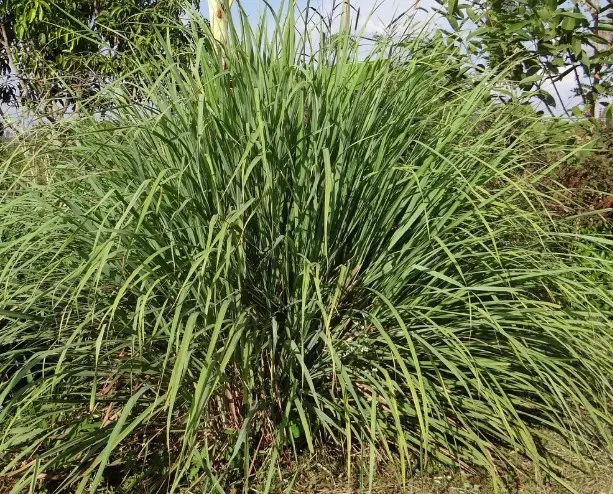
Serai
Lemongrass
Cymbopogon citratus
Serai (Cymbopogon citratus), or Lemongrass, is one of Malaysia's most essential cooking herbs, giving its unmistakable citrusy aroma to curries, rendang, soups, and sambal. It grows in fast-spreading clumps and is virtually maintenance-free in the tropics. one of the easiest edible plants to grow at home.
Care Guide
Light Requirements
Full sun. Lemongrass needs 6+ hours of direct sunlight daily. The volatile oils that give lemongrass its citral fragrance develop primarily in strong light. In partial shade, plants become weak and aromatic oil production drops significantly.
Temperature
20°C - 32°C. Lemongrass is a true tropical plant that demands warm temperatures year-round. Below 15°C, it enters dormancy and growth stops. It absolutely thrives in Malaysia warmth.
Humidity
60% - 80%. Despite being a grass, lemongrass enjoys humidity. Tropical humidity supports faster growth and better leaf quality. In very dry air, leaf tips brown.
🌧️ Good news for Malaysia: Your home's natural humidity is already helping. Focus on airflow instead to prevent fungal issues.
Soil Preference
Loose, fertile, well-draining soil enriched with compost; avoid prolonged waterlogging. Despite needing moisture, lemongrass roots must have aeration. Heavy clay leads to root rot.
Watering & Fertilizer
Keep soil consistently moist during growing season but allow brief drying between waterings. Lemongrass is a fast-growing grass that responds dramatically to nitrogen-rich feeding. Fertilise every 2-3 weeks with balanced NPK for lush growth.
💭 Still unsure? Stick your finger 2 cm into the soil. If it feels dry, water. If it's moist, wait. You'll get it right.
General Care
Harvest regularly (every 3-4 weeks) by cutting the lower white/pale sections close to the soil. This is the most flavorful part. Frequent harvesting stimulates new shoot production and keeps plants compact rather than tall and woody. Once established (3-4 months), a single plant can produce continuously for years with regular harvesting.
Propagation
Division of mature plants is the primary method. Carefully separate rooted offshoots and replant. Seed propagation is possible but slow and unreliable compared to division. Cuttings root easily in water within 2-3 weeks.
Pet Friendly?
Lemongrass itself is not toxic, but concentrated essential oils can cause stomach upset and irritation in pets if ingested in quantity. Keep out of reach as a precaution.
Medicinal Benefits
Rich in volatile oils (primarily citral, geraniol, limonene). Traditionally used for digestion, anxiety relief, and anti-inflammatory purposes. Modern research supports some antimicrobial activity.
Other Uses
Cooking (curries, soups, teas, stir-fries); insect repellent (the citral scent naturally deters mosquitoes and flies); fragrance and aromatherapy.
Pests & Diseases
Generally pest-resistant. Well-established plants rarely suffer disease. Young plants may attract spider mites in very hot, dry conditions.
Smart Tanam Tip
"Lemongrass is a perennial that can produce for 5-10+ years from a single plant when divided occasionally. A single mature clump can supply a family year-round. The leaves dry well for storage and retain flavor for 6+ months. Dried lemongrass is less fragrant than fresh but still aromatic."
Common Mistakes in Malaysia
- Overwatering due to high humidity: Malaysia's moisture-rich air means soil dries slower. Most plant deaths come from root rot, not underwatering.
- Poor airflow: High humidity + still air = fungal issues. Move plants where air circulates naturally (near windows, not in corners).
- Ignoring the monsoon season: During heavy rain, reduce watering. Your plant is already getting moisture from the environment.
- Direct afternoon sun: Malaysian midday sun is intense. Even sun-loving plants can scorch. Morning sun is best.
Tips for Malaysia's Climate
- Use well-draining soil: Add perlite or cocopeat. Heavy soil + humidity = rot. Your soil should dry out between waterings.
- Water in the morning: Wet foliage at night is a recipe for fungal problems in humid climates. Early morning watering lets leaves dry quickly.
- Repot in spring: Before the dry season, refresh soil to prevent salt buildup and improve drainage.
- Watch for pests during monsoon: Wet season brings aphids, spider mites, and scale insects. Check undersides of leaves weekly.
- Increase airflow: Place a small fan nearby if the plant is indoors. Circulating air prevents humidity-related issues.
© 2026 Tanam Je. All rights reserved.
Disclaimer: Tanam Je is an educational resource. Plant care outcomes vary by environment, weather, and handling. Tanam Je is not liable for plant loss or related damages.