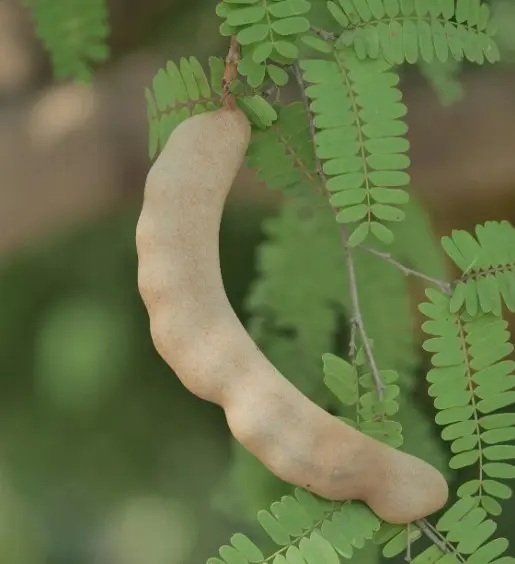
Asam Jawa
Tamarind
Tamarindus indica
Tamarind (Tamarindus indica) is a long-lived tropical tree producing sweet-sour pods that are essential to Malaysian, Indian, and Southeast Asian cooking. The pulp is the flavor base of many sauces, condiments, and traditional drinks. The tree also provides deep shade and is highly wind-resistant.
Care Guide
Light Requirements
Full sun. Tamarind demands full sun for optimal fruit production. Tree develops a dense, spreading crown that naturally filters light efficiently.
Temperature
20°C - 32°C. Tamarind is warmth-loving and thrives in tropical climates. Malaysia warmth is perfect. Below 15°C, growth slows and young trees can be cold-stressed. not typically a concern in Malaysian lowlands, but relevant in highland areas like Cameron Highlands.
Humidity
50% - 70%. Tamarind tolerates wide humidity ranges. It is drought-tolerant once established but produces better in moderate humidity conditions.
🌧️ Good news for Malaysia: Your home's natural humidity is already helping. Focus on airflow instead to prevent fungal issues.
Soil Preference
Deep, fertile, well-draining loamy soil with steady organic matter and good moisture retention. Tamarind has a deep taproot. Soil must be loose and deep (60cm+). Heavy clay restricts root development. Neutral to slightly acidic pH (6.0-7.5) is optimal.
Watering & Fertilizer
Water regularly during establishment. Once mature (3+ years), tamarind is extremely drought-tolerant. It can survive long dry periods. During flowering and fruiting season, consistent moisture increases yield. Fertilise annually with a balanced NPK formula. Heavy fruiting years may warrant additional potassium-rich fertiliser.
💭 Still unsure? Stick your finger 2 cm into the soil. If it feels dry, water. If it's moist, wait. You'll get it right.
General Care
Prune annually after fruiting season (Nov-Jan) to maintain open canopy structure and encourage better light penetration. Remove crossing branches, dead growth, and lower branches for easier harvest. The tree develops a natural broad spreading form with dense foliage. Heavy fruit thinning improves individual pod size and sweetness.
Propagation
Seeds germinate reliably in 7-14 days when soaked in warm water. Seed-grown trees take 5-8 years to fruit. Grafting is used for superior cultivars. Approach grafting or veneer grafting work well for tamarind. Grafted trees bear fruit in 2-4 years.
Pet Friendly?
Large amounts of tamarind pulp may cause digestive upset in pets. The seed pods themselves are not acutely toxic, but the high acid content can upset sensitive digestive systems.
Medicinal Benefits
Rich in tartaric acid, malic acid, and vitamin C. Traditionally used in Ayurvedic and traditional Asian medicine for digestive support, laxative effects, and treating inflammation. The pulp is mildly antimicrobial.
Other Uses
Cooking. The pulp is essential for tamarind paste/concentrate used in Thai, Indian, Mexican, and Malaysian cuisines. Beverages (tamarind juice, agua fresca). Laxative syrup in traditional medicine. Wood is valuable for furniture and construction.
Pests & Diseases
Pod borers (Cerconota and Systole species) tunnel into developing pods. These are the main pest in Malaysia. Fruit drop can occur in severe pest years or during water stress. Scale insects colonise branches. Generally disease-resistant when soil drainage is good.
Smart Tanam Tip
"Tamarind has been cultivated across Africa, Asia, and India for over 3,000 years. Ancient trade routes spread it widely. The tree is remarkably long-lived. Individual trees can produce for 100+ years. The sweet-sour balance of fruit improves with age. Very old trees produce superior, more balanced fruit. A mature tree produces hundreds of kilos of pods annually. The pulp can be dried or frozen for storage and retains its properties excellently."
Common Mistakes in Malaysia
- Overwatering due to high humidity: Malaysia's moisture-rich air means soil dries slower. Most plant deaths come from root rot, not underwatering.
- Poor airflow: High humidity + still air = fungal issues. Move plants where air circulates naturally (near windows, not in corners).
- Ignoring the monsoon season: During heavy rain, reduce watering. Your plant is already getting moisture from the environment.
- Direct afternoon sun: Malaysian midday sun is intense. Even sun-loving plants can scorch. Morning sun is best.
Tips for Malaysia's Climate
- Use well-draining soil: Add perlite or cocopeat. Heavy soil + humidity = rot. Your soil should dry out between waterings.
- Water in the morning: Wet foliage at night is a recipe for fungal problems in humid climates. Early morning watering lets leaves dry quickly.
- Repot in spring: Before the dry season, refresh soil to prevent salt buildup and improve drainage.
- Watch for pests during monsoon: Wet season brings aphids, spider mites, and scale insects. Check undersides of leaves weekly.
- Increase airflow: Place a small fan nearby if the plant is indoors. Circulating air prevents humidity-related issues.
© 2026 Tanam Je. All rights reserved.
Disclaimer: Tanam Je is an educational resource. Plant care outcomes vary by environment, weather, and handling. Tanam Je is not liable for plant loss or related damages.